There are various types of trademarks that one can apply for registration and seek protection under Indian Law. However, what kind of trademark should one apply for, depends on various factors such as, what is the unique or distinctive element in your trademark and whether it contains any common or generic elements.
It is also important to remember that it is not necessary to apply for all types of trademarks and the decision of applying for a particular type of trademark should be made by asking yourself the fundamental question: What is the unique and distinctive element of my business that helps customers associate with my brand? This could be the unique brand name, a creative logo, a catchy slogan, an eye catching product shape or the sound appearing in your brand’s advertisements.
Word Mark
These protect the brand name written in plain text without any special design or logo.
Example: “TATA”, “AMAZON”, “FLIPKART”. Word marks give the broadest protection because they cover the name in any font or style.
Logo Mark
These protect the visual design, symbol, or graphical representation of a brand. Even if two brands have similar names, a unique logo can be protected separately.
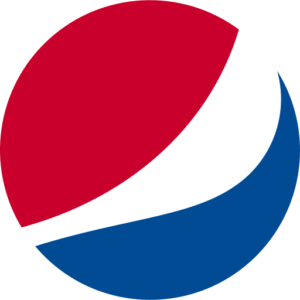
For example, the Pepsi red and Blue Logo. This logo is used by Pepsico on its popular product Pepsi. When any consumer sees this logo, they immediately associate this logo with the soft drink Pepsi.
Slogan or Tagline Marks
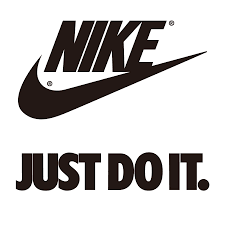
Slogan trademarks are short phrases or taglines used by businesses to identify and distinguish their goods or services from those of others. Unlike traditional trademarks such as brand names or logos, slogans communicate a brand’s message, values, or promise in a memorable and impactful way. Famous examples like “Just Do It” or “Because You’re Worth It” show how a simple line of text can become strongly associated with a particular company and its reputation.
Shape Marks
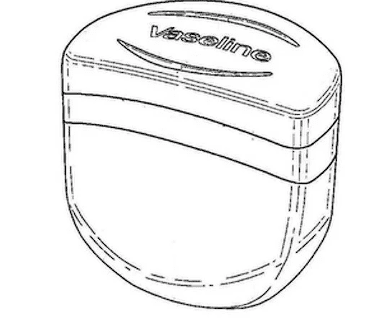
Shape trademarks, also known as three-dimensional trademarks, refer to the protection granted to the distinctive shape or configuration of a product or its packaging. Unlike conventional trademarks such as names, logos, or slogans, shape trademarks protect the physical appearance of goods when that appearance functions as a source identifier. In simple terms, if consumers can recognize a product solely by its shape, that shape may qualify for trademark protection.
For Example: The Unique Shape of Vaseline’s Petroleum Jelly
Sound Marks
Sound marks are a unique and relatively modern category of trademarks in which a specific sound or musical sequence functions as a brand identifier. Just like a name, logo, or slogan, a sound can help consumers recognize the commercial source of a product or service. Over time, certain sounds become so closely associated with a brand that hearing them instantly reminds people of the company behind them.
Common examples of sound marks include the Intel chime, the Netflix “ta-dum” sound, the Nokia startup tune, and the MGM lion’s roar. These sounds do not merely serve an ornamental or background purpose; they operate as distinctive brand signatures. Whenever consumers hear these sounds in advertisements, apps, or products, they immediately connect them with a particular business.

Color Trademarks
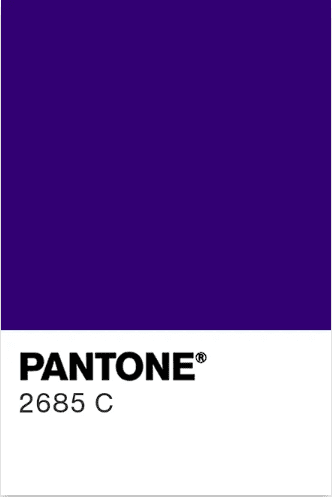
Color trademarks refer to the legal protection granted to a specific color or combination of colors when they function as an identifier of the commercial source of goods or services. Traditionally, trademarks were limited to words and logos, but modern trademark law recognizes that even a color, when used consistently and distinctively, can become strongly associated with a particular brand.
Well-known examples of color trademarks include the purple shade used by Cadbury for chocolates, the robin-egg blue color of Tiffany & Co. packaging, and the red soles of Christian Louboutin shoes. In each of these cases, the color itself has become an essential part of the brand identity, enabling consumers to instantly recognize the product without the need for a name or logo.
Obtaining trademark protection for a color is more challenging than for conventional marks. Colors are generally considered non-distinctive by nature because they are commonly used in trade. Therefore, a single color usually cannot be registered unless it has acquired distinctiveness through long and exclusive use. The applicant must demonstrate that consumers have come to identify that particular color exclusively with their brand. This is typically proven through sales figures, advertising materials, consumer surveys, and evidence of extensive market recognition.
Other Types of Trademarks
Modern trademark law has expanded far beyond traditional word marks and logos to recognize several non-conventional forms of branding. Apart from shape, sound, and color marks, businesses today can also seek protection for motion marks, smell marks, hologram marks, and even texture marks. These categories reflect the evolving ways in which companies communicate their identity to consumers.
Motion trademarks protect a specific movement or animated sequence that functions as a brand identifier. These marks are commonly seen in digital media and advertising, such as the animated opening sequences used by film studios or the moving logos displayed when a software application starts. To be registrable, the motion must be distinctive and capable of being clearly represented, usually through a series of images or a video file. The movement should not be merely decorative but must indicate the commercial origin of the product or service.
Smell or olfactory trademarks relate to a distinctive scent associated with particular goods. For example, a unique fragrance used for a product like scented stationery or tires may potentially qualify as a trademark if consumers recognize it as identifying a specific brand. However, smell marks are among the most difficult to register because scents are subjective and challenging to describe with precision. Many trademark offices require a clear and objective representation of the smell, which makes obtaining protection rare and complex.
Hologram trademarks are another emerging category. These involve three-dimensional images that change or appear to move when viewed from different angles. Holograms are increasingly used on credit cards, tickets, and product packaging as security features and brand identifiers. When such holographic images are distinctive and not purely functional, they can be registered as trademarks.
Texture trademarks protect the unique feel or surface pattern of a product. If the tactile impression of a product—such as a special fabric weave or embossed surface—enables consumers to identify its source, it may be eligible for protection. Like smell marks, texture marks are uncommon because proving distinctiveness and providing clear representation can be challenging.
These unconventional trademarks highlight how branding has moved beyond visual elements to engage multiple human senses. As technology and marketing methods continue to evolve, trademark law is adapting to ensure that businesses can protect innovative ways of distinguishing their products. When successfully registered, such non-traditional marks provide companies with valuable tools to strengthen brand identity and stand out in an increasingly competitive marketplace.